- Close(x)
- Home
- About Tsenden
- Destinations
- TOUR & TREK PACKAGES
- Accommodations
- News & Events
- FAQs
- Destinations
- Tour & Travel Packages
- Festivals
- Latest Blogs
- Places of Interest
- Contact Us
- Book Now


Find the best accommodations in Bhutan with Bhutan Tsenden Travel. Browse verified hotels, resorts, and homestays across Thimphu, Paro, Punakha, Bumthang, Phobjikha, Haa Valley, and more. Filter by location, budget, and amenities.
At Bhutan Tsenden Travel, we partner with the finest hotels, resorts, and authentic homestays across Bhutan to provide our guests with a comfortable, safe, and memorable stay. Every property listed with us is carefully selected based on quality, hospitality, cleanliness, and guest satisfaction. Whether you're looking for luxury, mid-range comfort, or a traditional Bhutanese homestay experience, we have the perfect accommodation for you.
Memorial Chorten was built in the year 1974 in memory of the Third King of Bhutan, His Majesty Jigme Dorji Wangchuk. It is located in the heart of the city and is visible from most of the places in the city.
It is also called Wangdi Phodrang but for daily use, Wangdi is used. It lies at an altitude of 1210 m and it is just about 21 Km from Punakha. It is windy and dusty, especially in the afternoon. Punajanchu River flows across the valley.
Bumdeling Wildlife Sanctuary is located in north-western part of Bhutan covering an area of 1,545 sq. km with 420 sq....
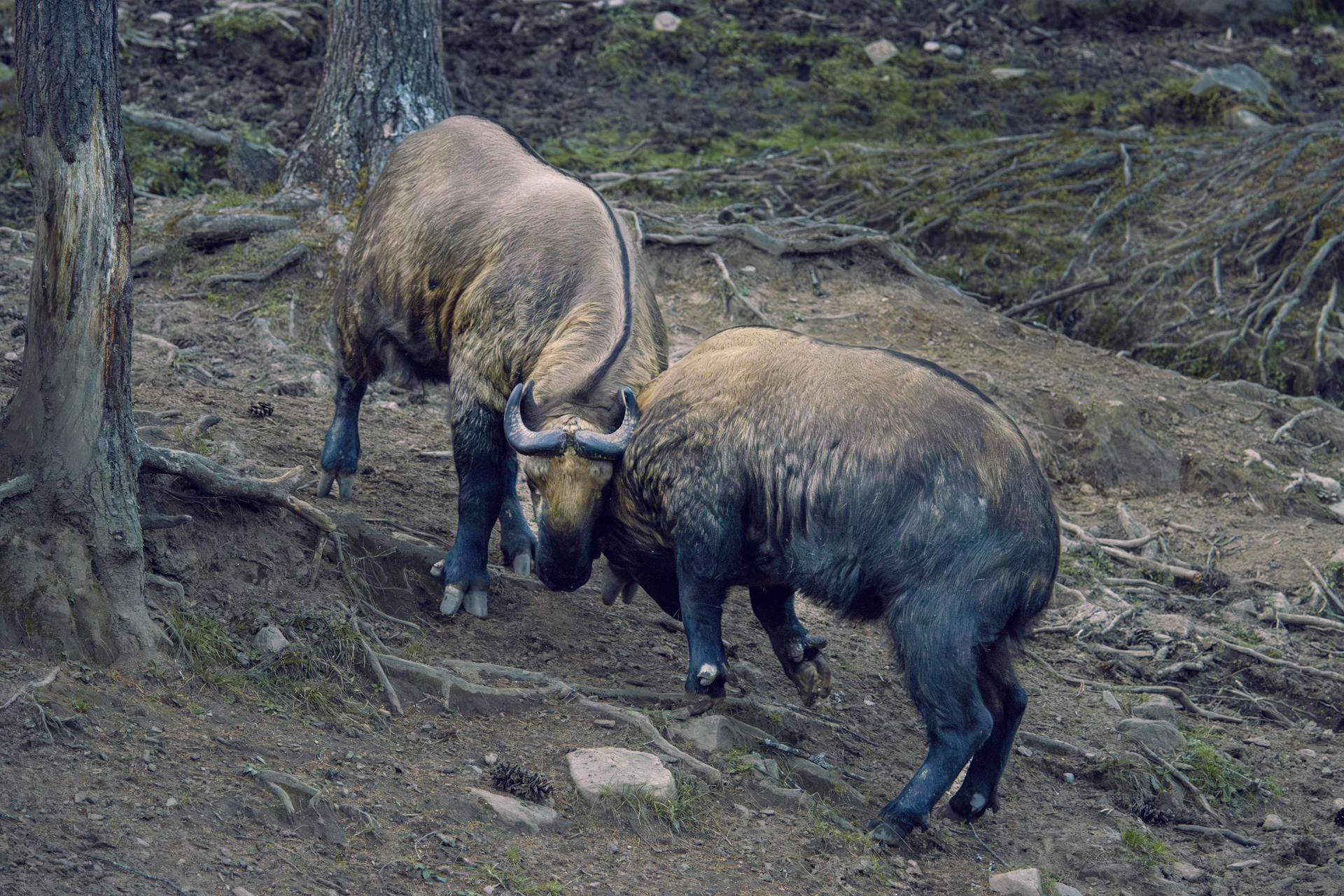
Located in the easternmost part of the Kingdom, Sakteng Wildlife Sanctuary spans an area of 650 sq. km and is...
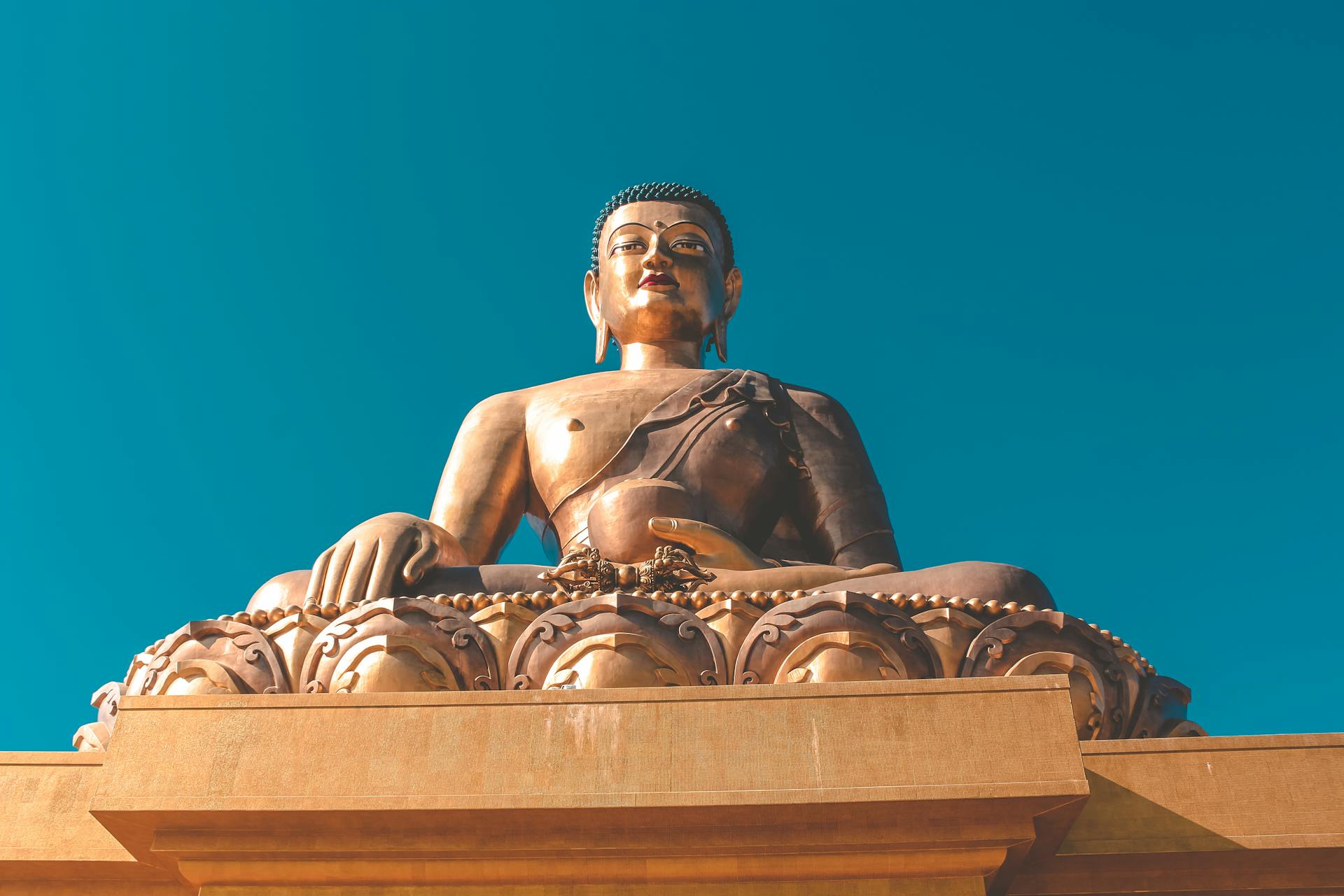
Memorial Chorten was built in the year 1974 in memory of the Third King of Bhutan, His Majesty Jigme Dorji Wangchuk.It is located in the heart of the city, and is visible from most of the places in the city.
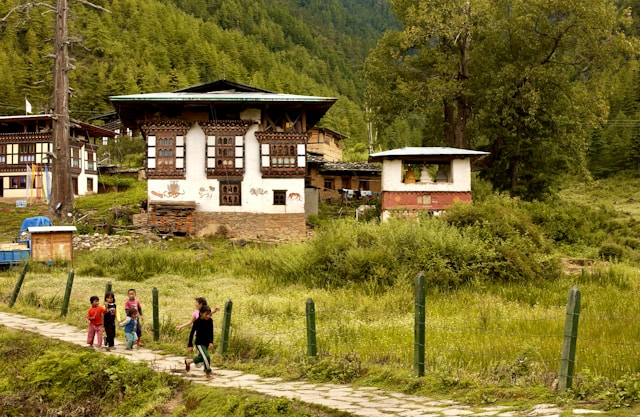
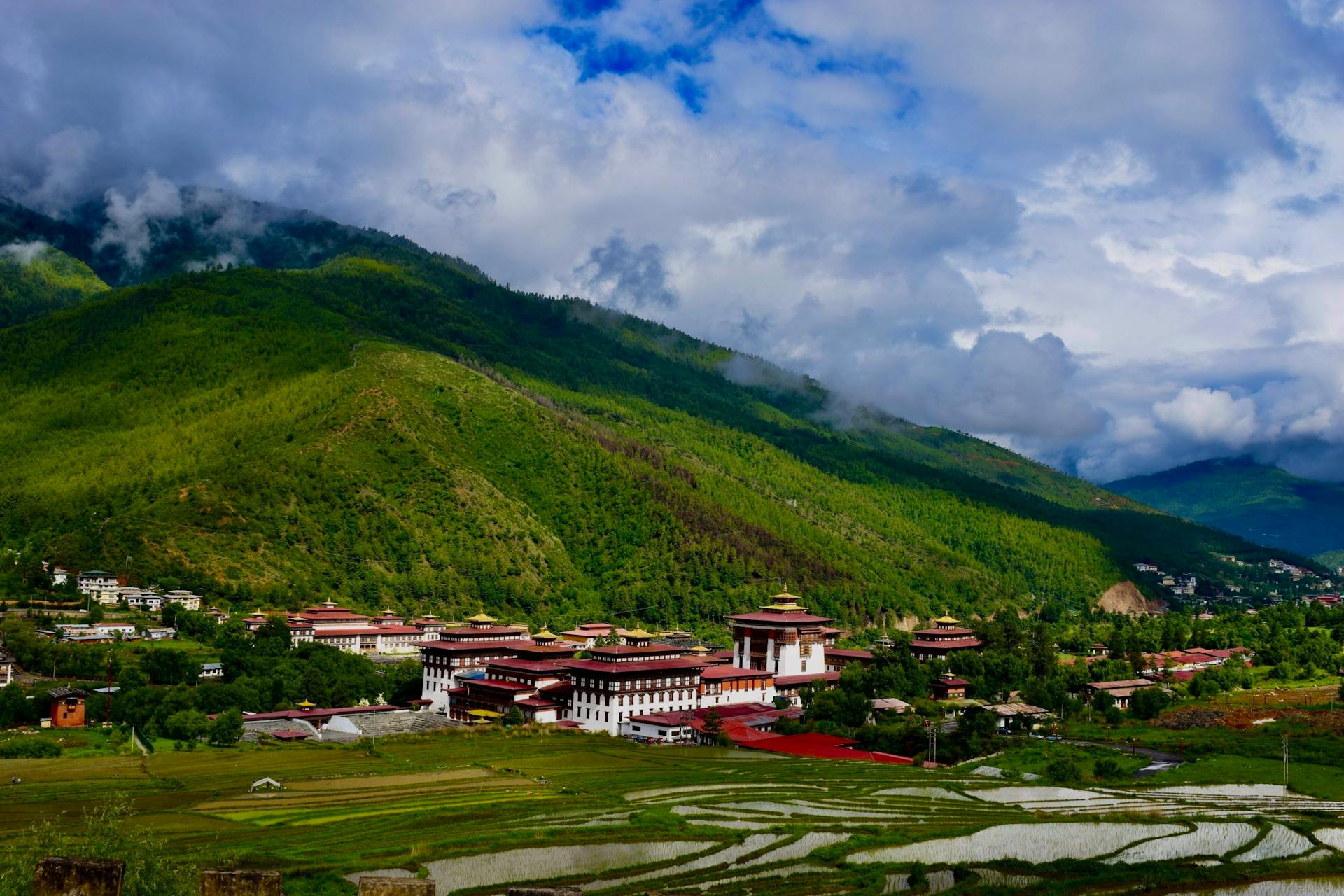
This is Paro town, and sometimes it is not unsual to find only few people and cars around, especially during the weekdays, when the offices and schools are opened.

Situated at the very heart of the nation and covering 768 sq. km, ThrumshingLa National Park is Bhutan’s newest National...
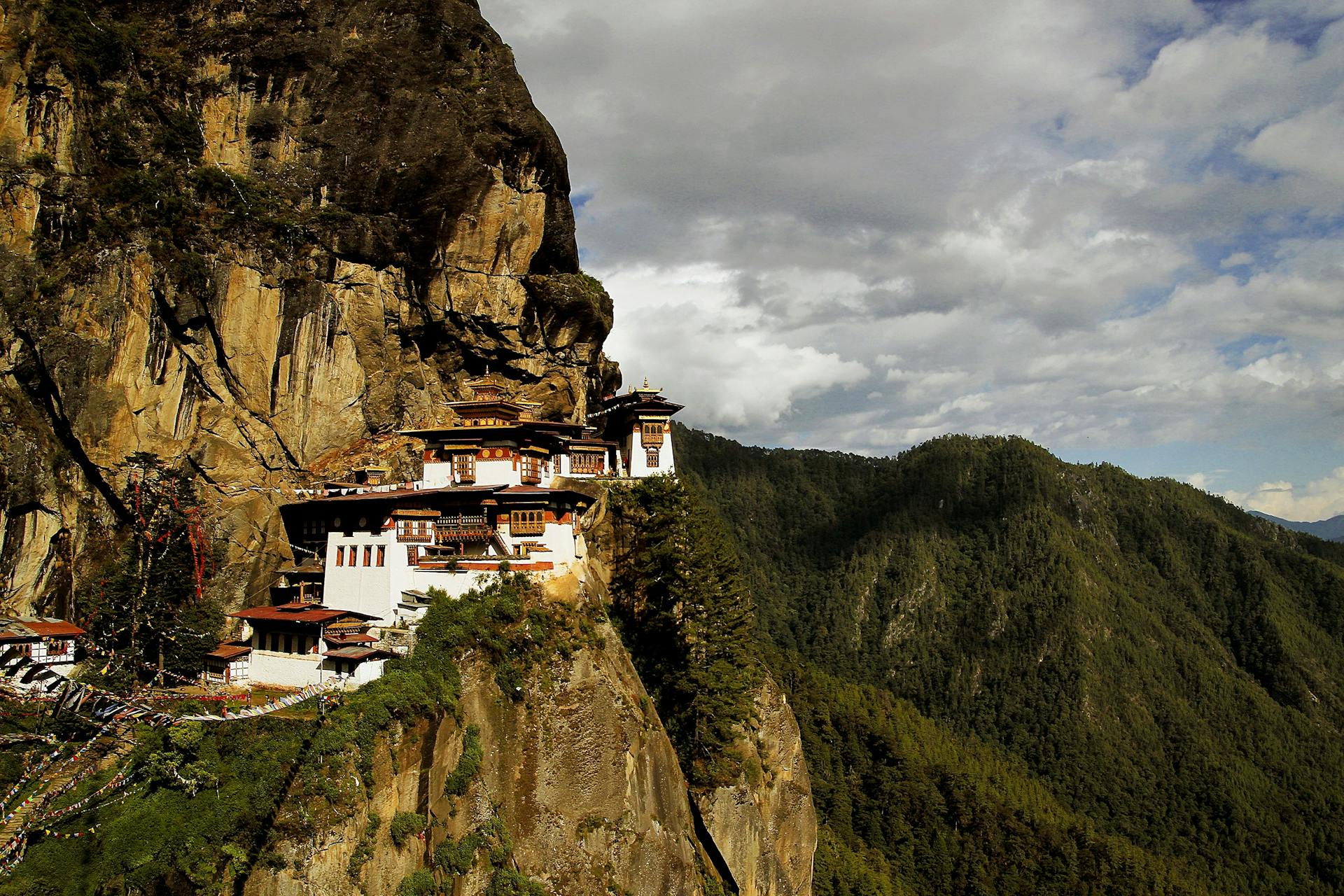
Located in the central part of the country, Jigme Singye Wangchuck National Park covers 1,300 sq.km and is the second...
With an area of 4,349 sq. km, the Jigme Dorji National Park is the largest protected area in Bhutan. It...
Thimphu's largest vegetable market is opened during the weekends. The above picture shows that the vegetables are displayed for sales.

Drukgyel Dzong is 14 kilometres from the Paro town. Also known as the fortress of victory, Drukgyel Dzong was built by Shabdrung Ngawang Namgyal in 1649 to commemorate the victory over Tibetan invaders in 1644.
Paro Dzong is also called the Rinchen Phug Dzong, which means fortress on a heap of Jewels. It is one of the most notable and celebrated dzongs of Bhutan and was built in 1646 by Shabdrung Ngawang Namgyal on the old foundation, which was built by Guru Rimpoche.

Jakar Dzong, the largest Dzong in Bhutan, which is built in 1667, is located in Bumthang. It has a circumference of 1500 metres. The Dzong was damaged by fire and earthquakes in the past.
Wangdi dzong sits on the top of the high ridge. It was built in 1638 by Shabdrung Nawang Namgyal. The ridge provides a panoramic view of the valley. On 24th June 2012, the dzong was gutted by fire destroying all the structure of the dzong. The important relics were saved.
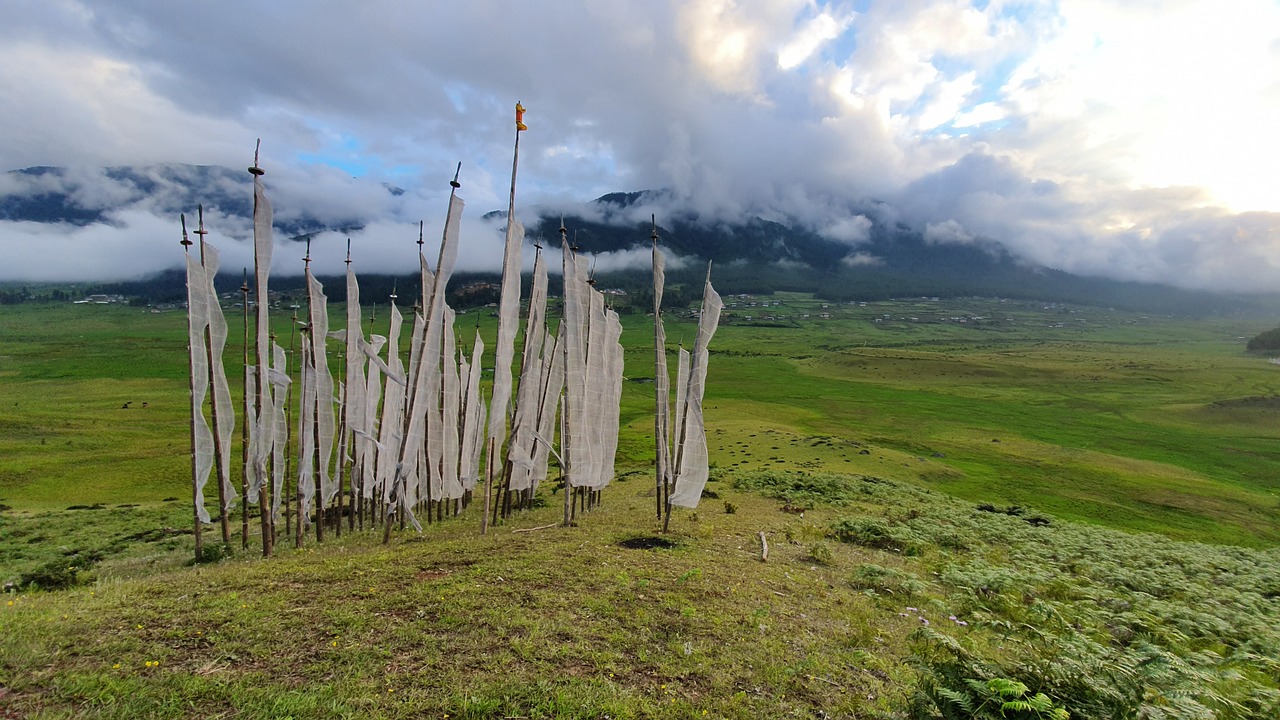
Phobjikha valley is a glacial valley on the western slopes of the black mountain range. The valley is an important wildlife centre in Bhutan and is the roosting ground of the endangered blacked-necked cranes that fly there from the Tibetan plateau during the winter.
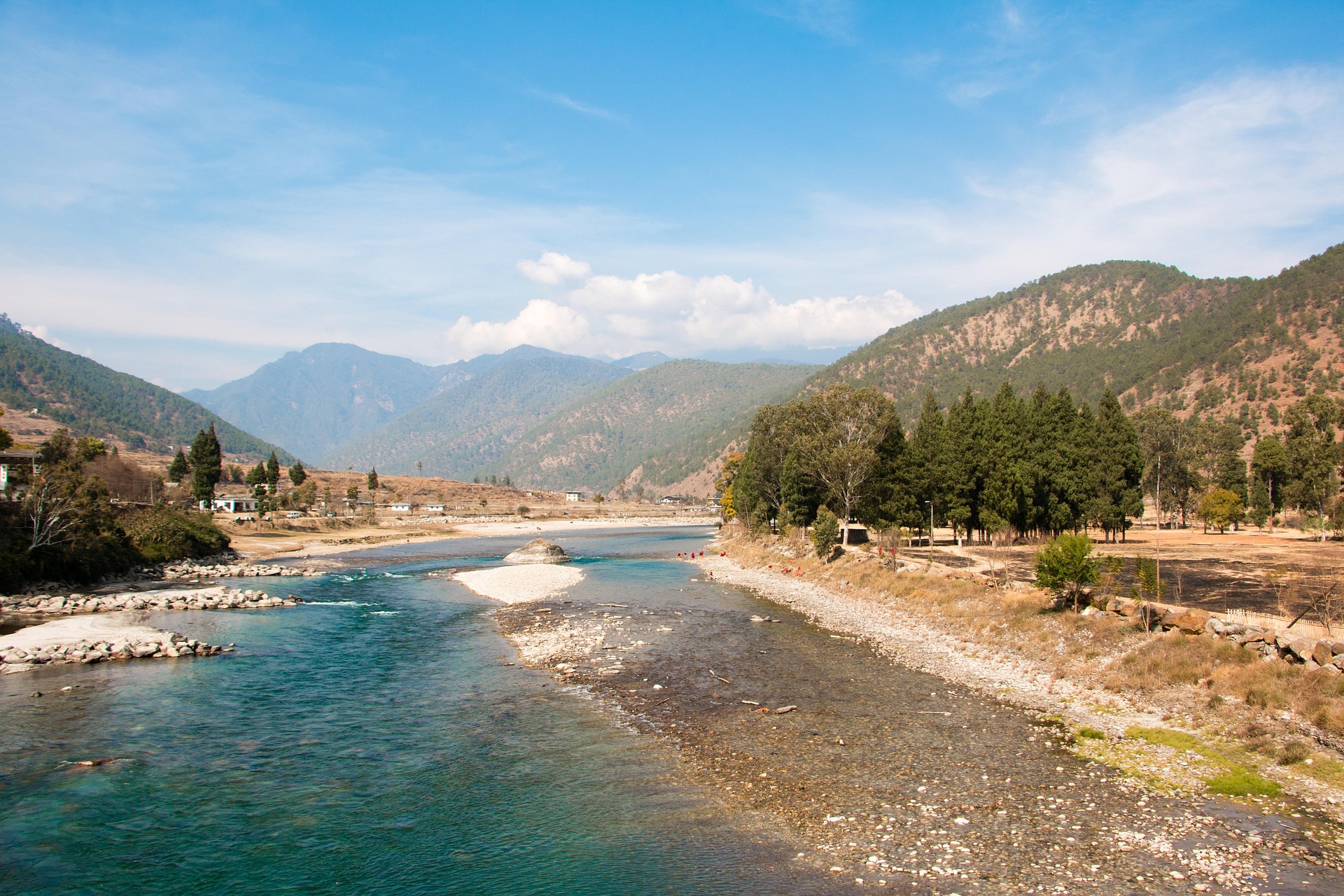
Gangtey Goempa, located at 2900m, overlooks the large green area of Phobjikha valley. This Temple was established in 1613 and now it has several other buildings for meditation, schools and hostels for monks.
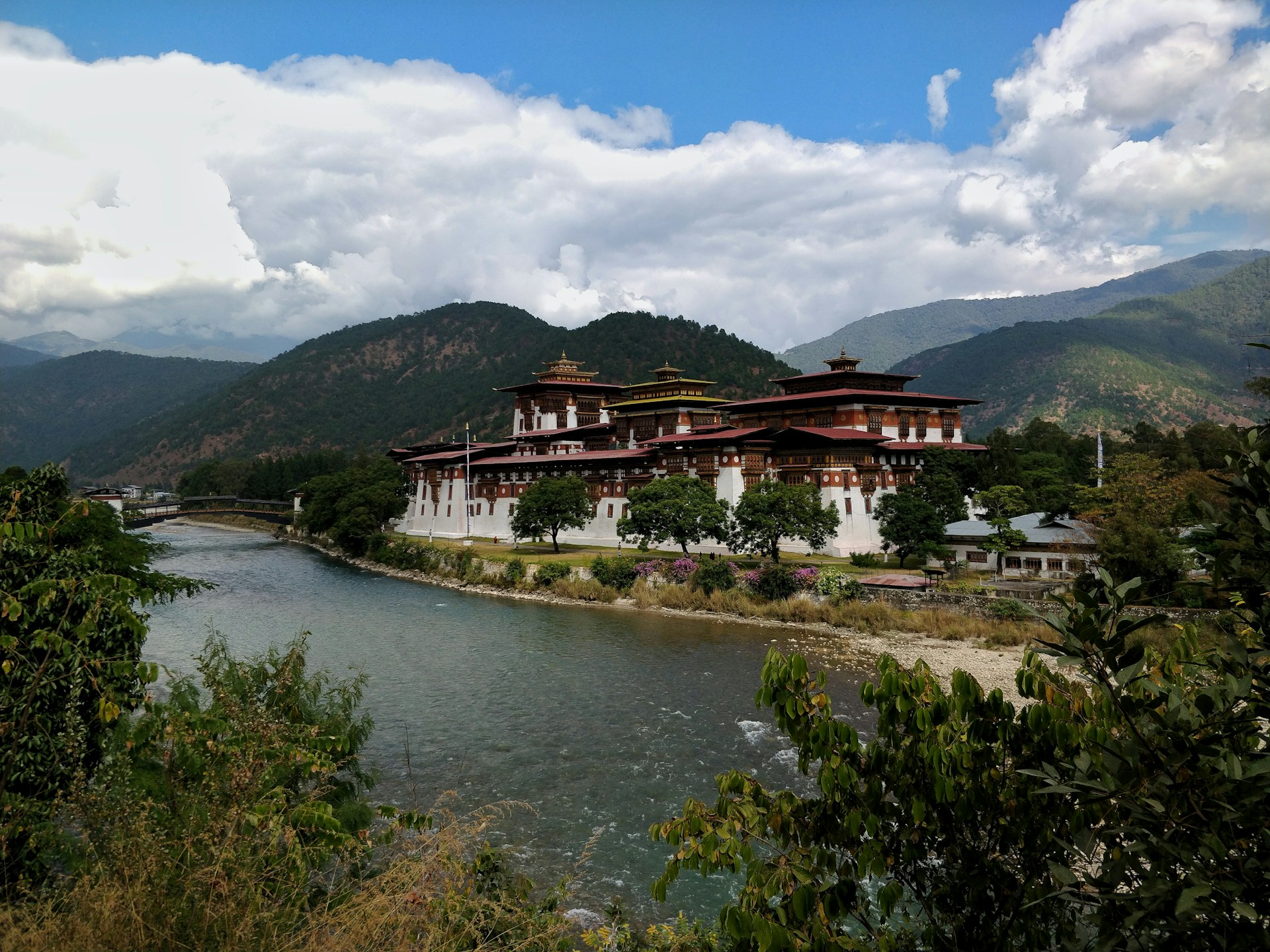
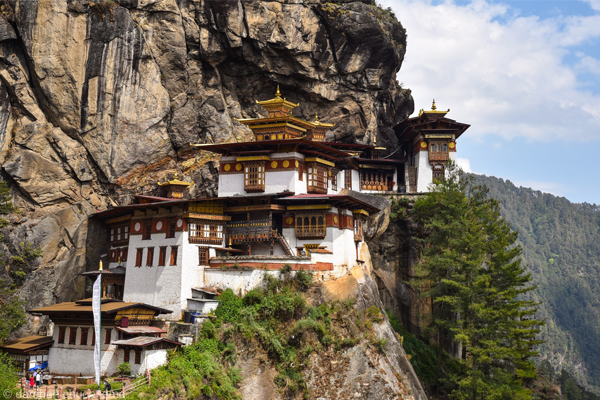
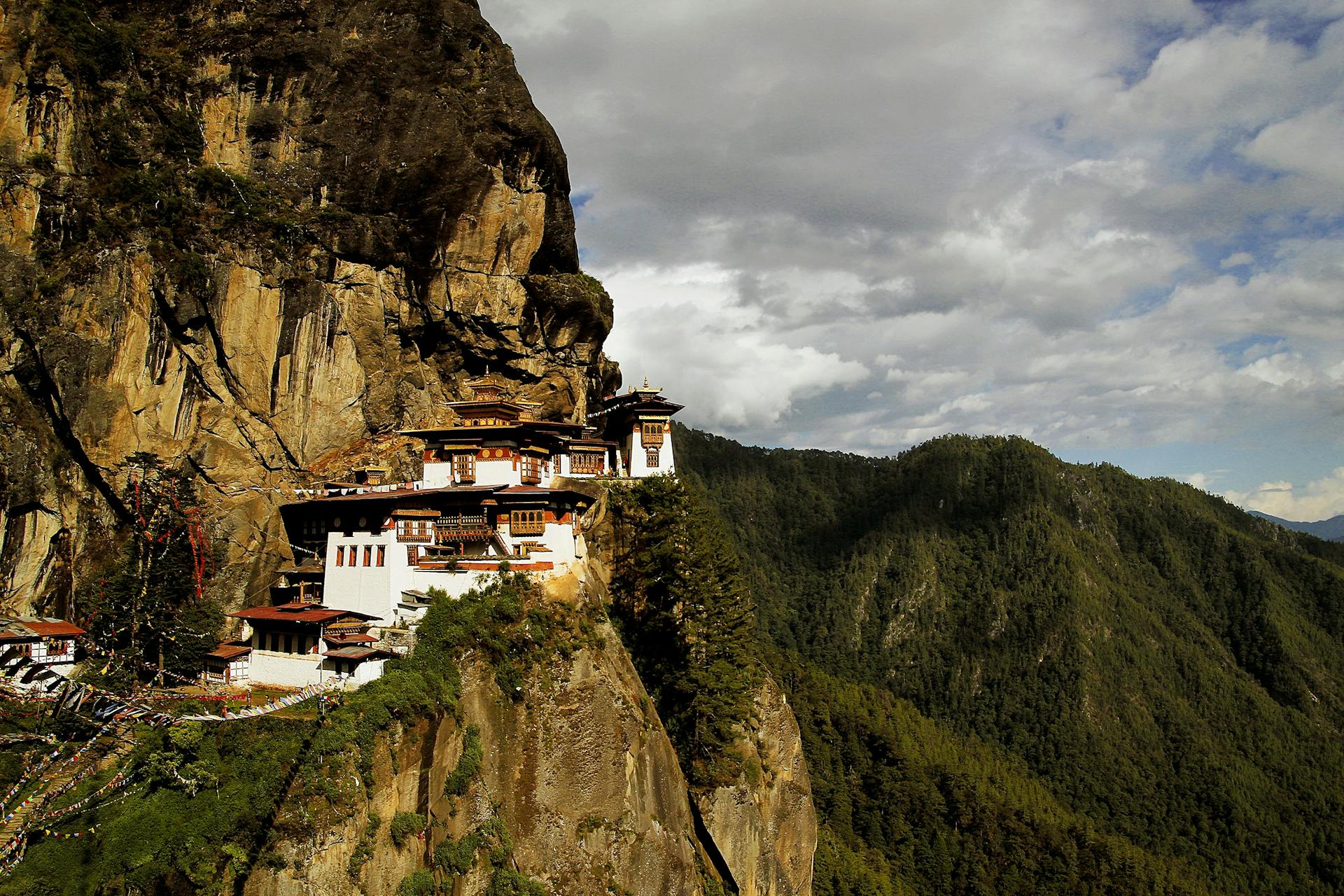
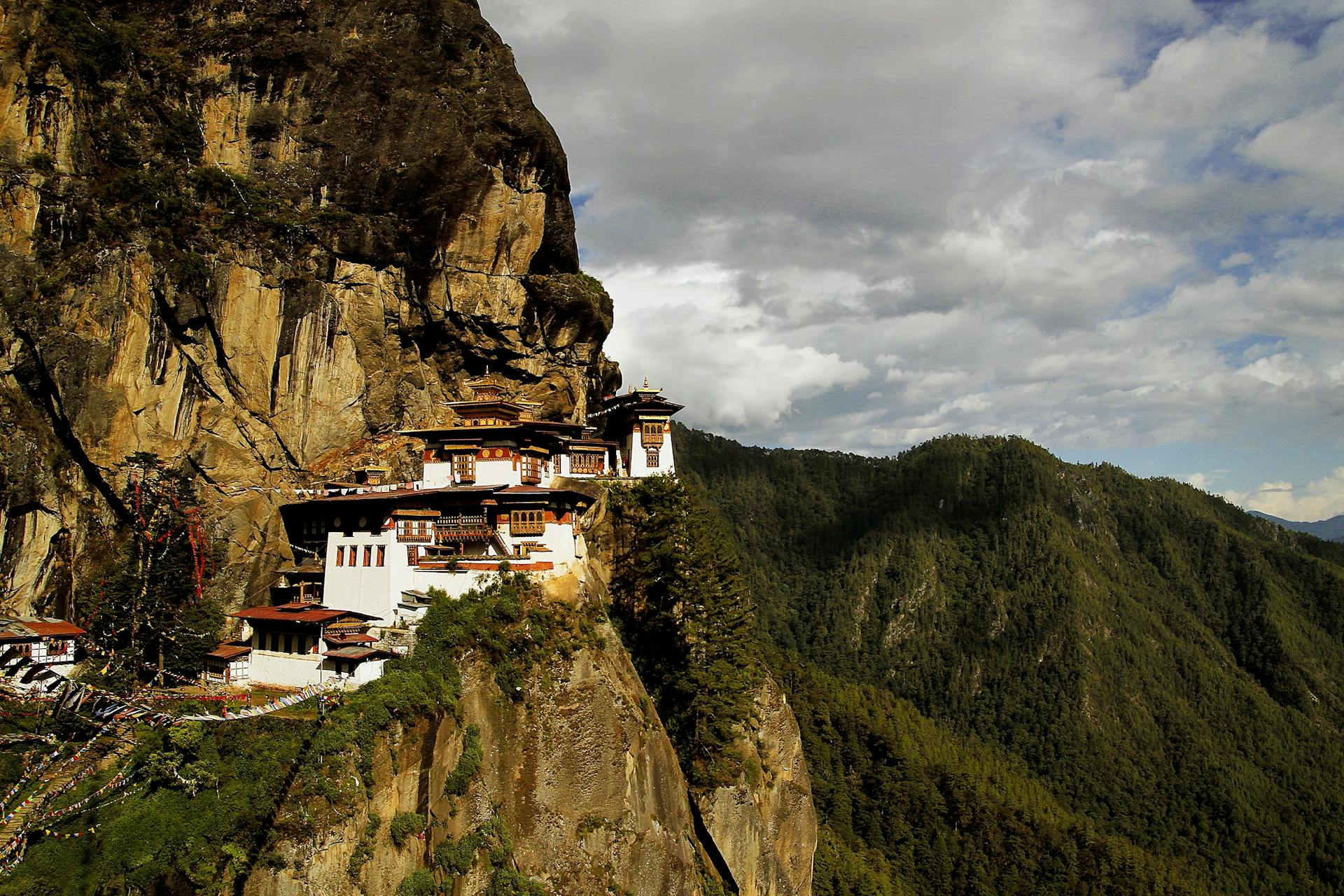
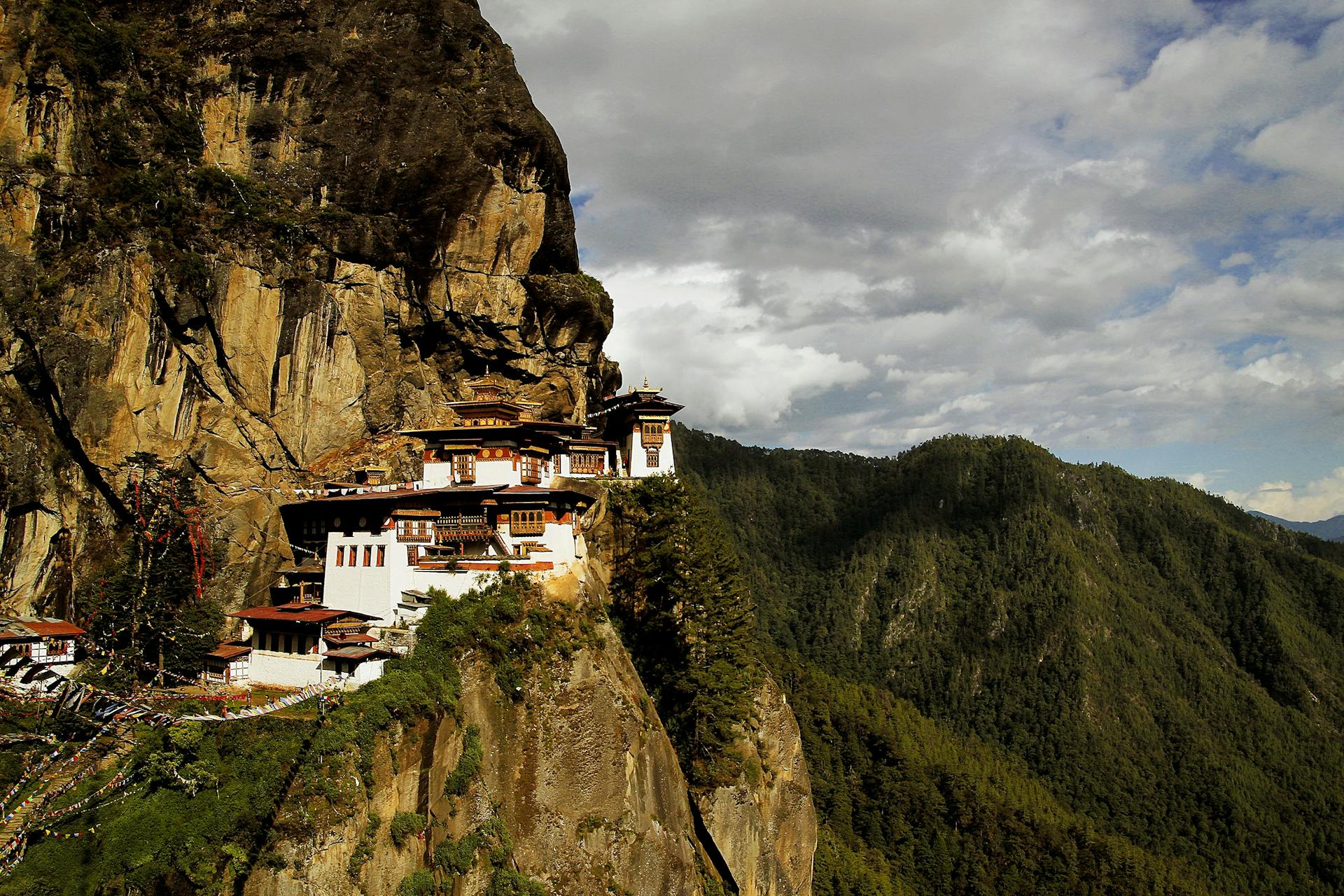
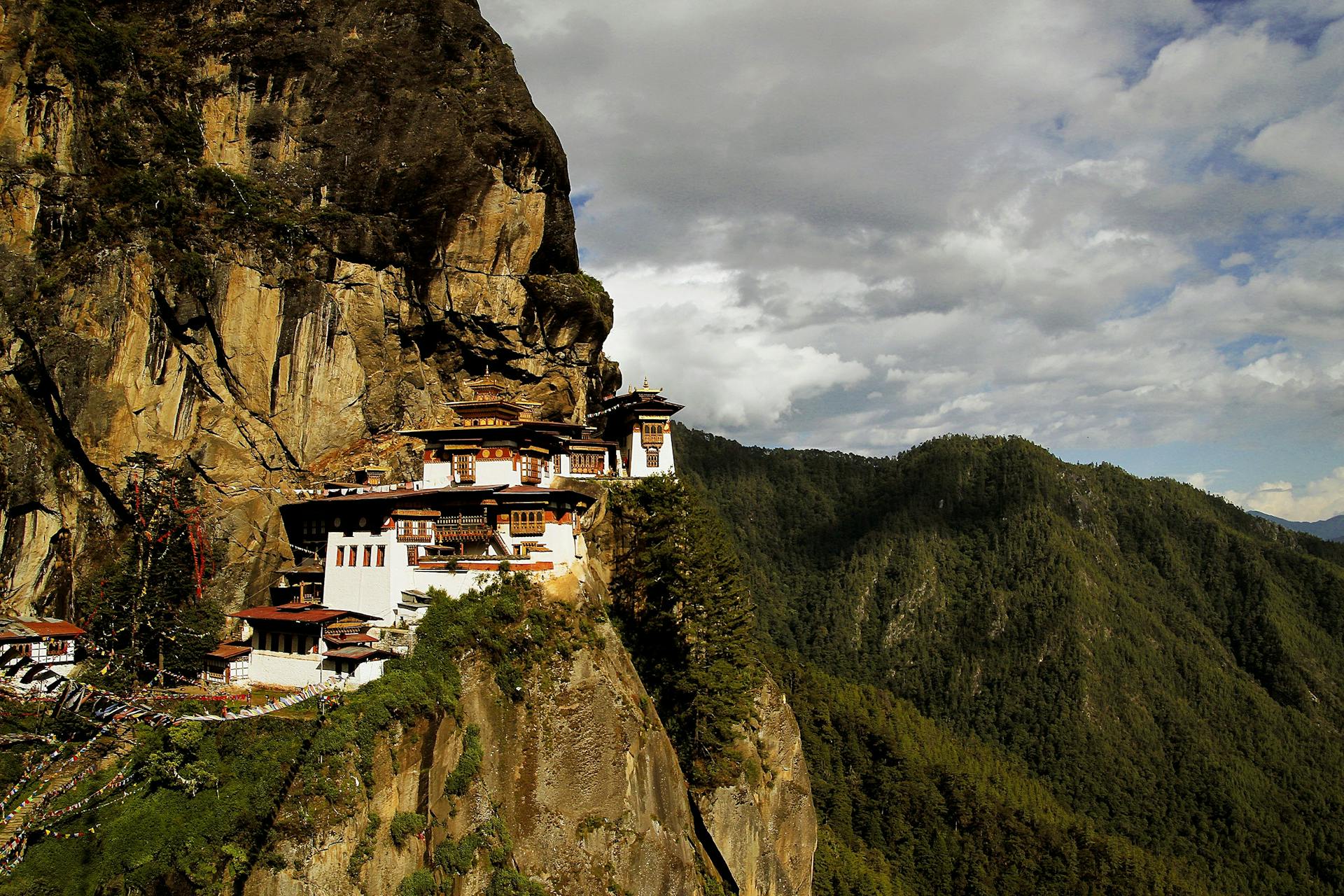
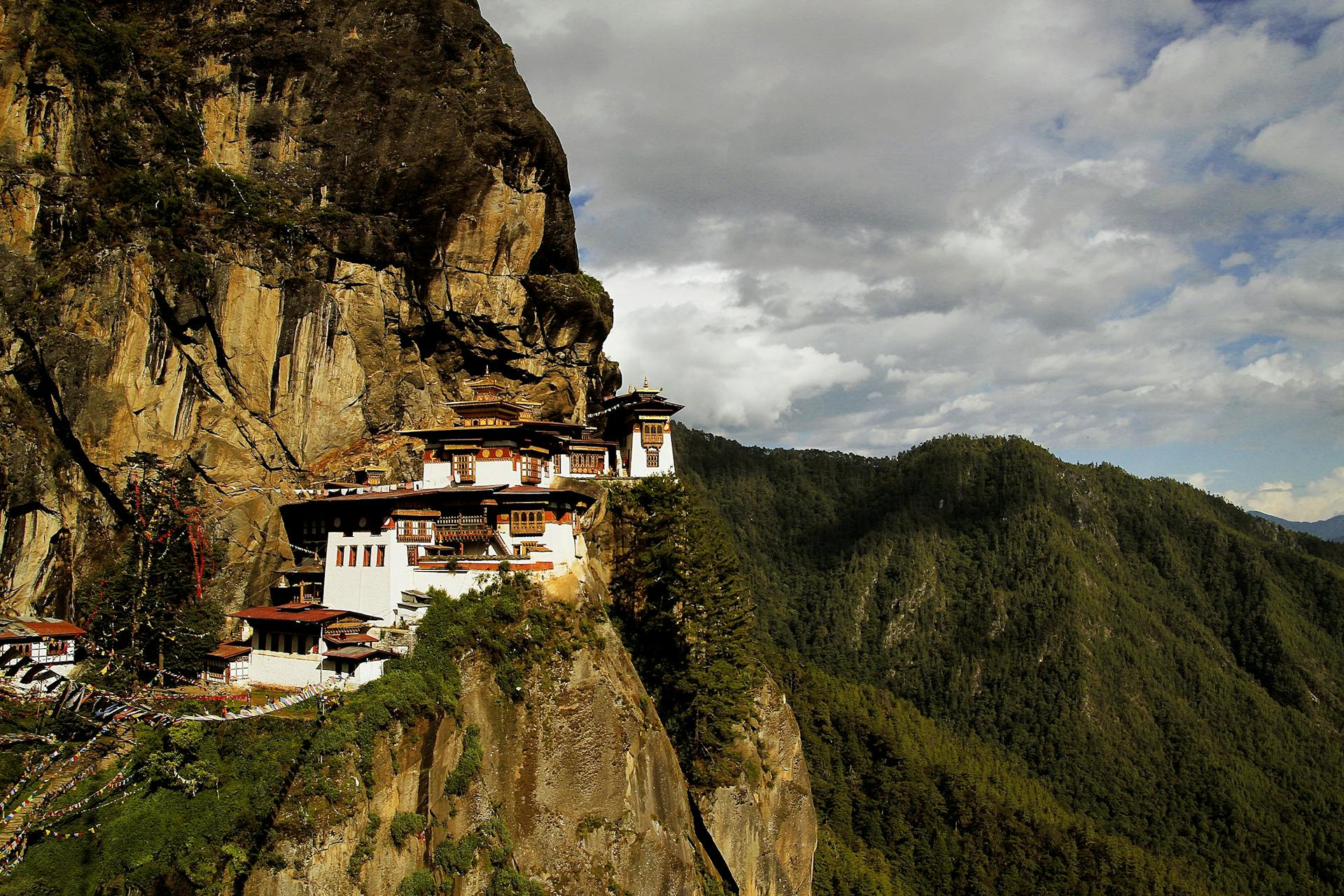
Taktshang or Tiger's nest is the most well-known monastery in Bhutan floating on a high cliff. Legend has it that...
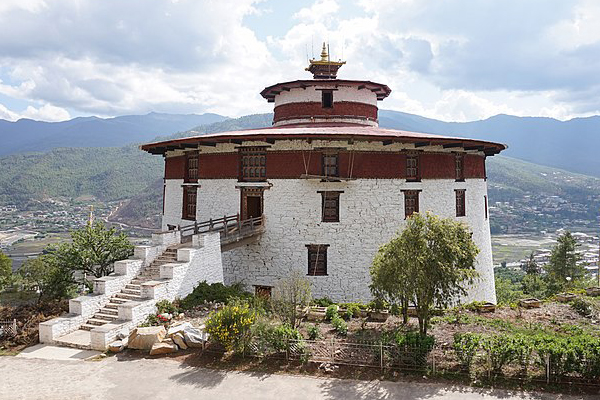
The National Museum is housed in the Ta-Dzong which was built in 1656 and served as the watch tower of Paro Dzong in the past. The museum displays the ancient Bhutanese arts, crafts and weapons.

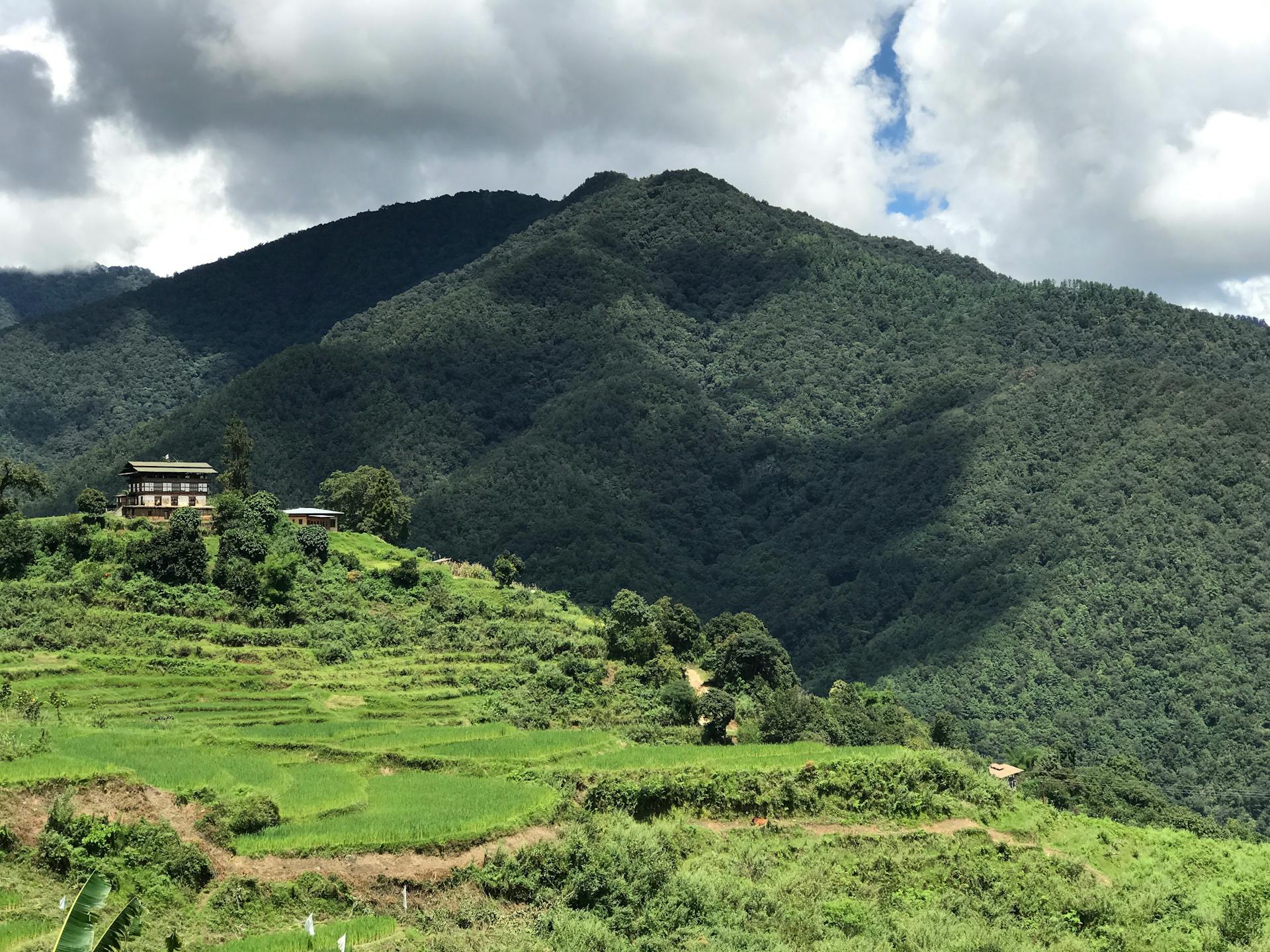
Bumthang is very popular for its land scape and beauty. It is rich in culture and nature
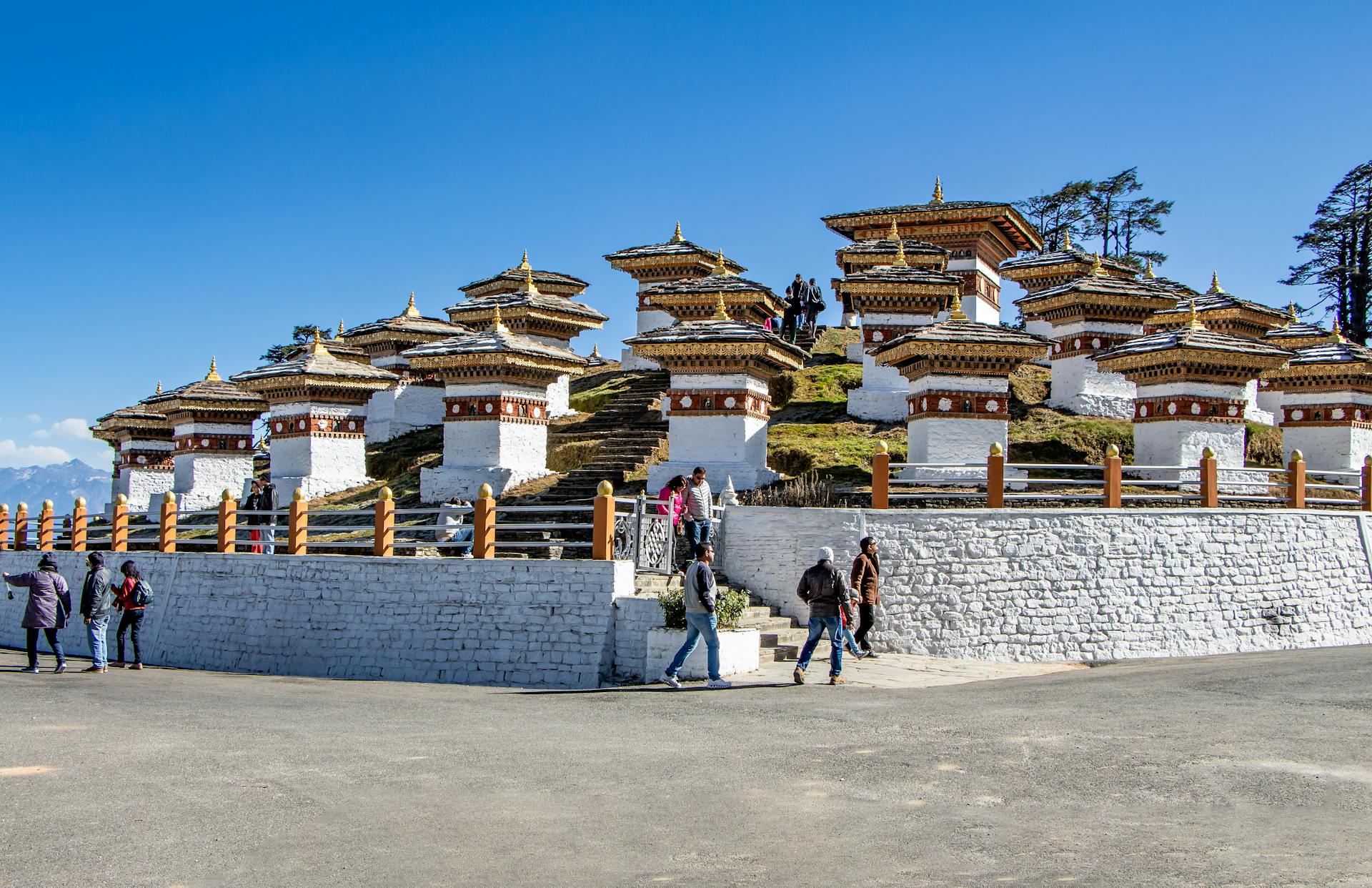
Phobjikha, the home of black necked crane during the winter, is a beautiful valley.
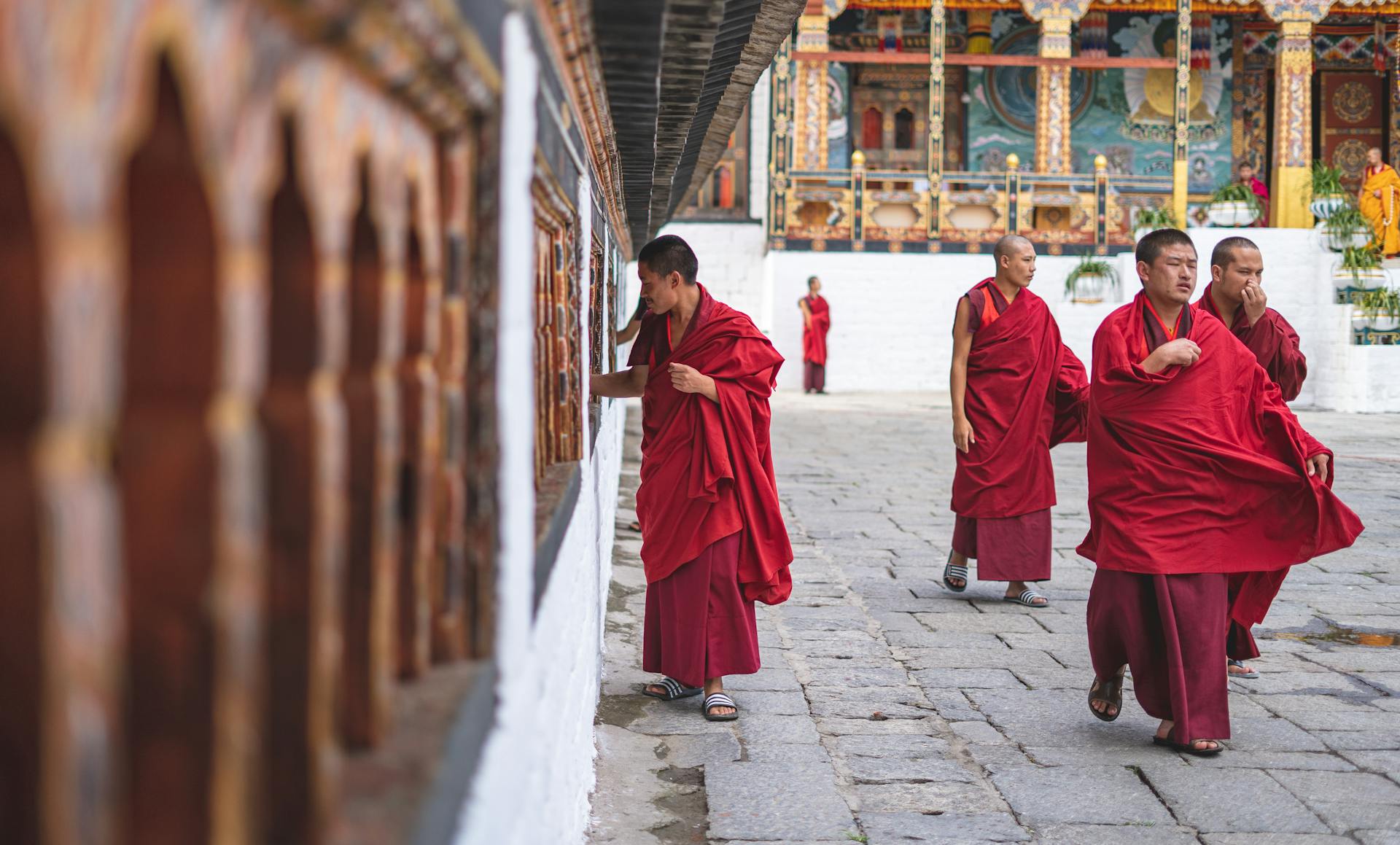
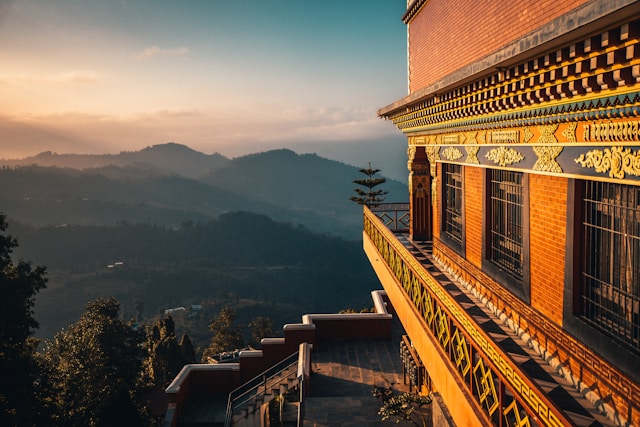
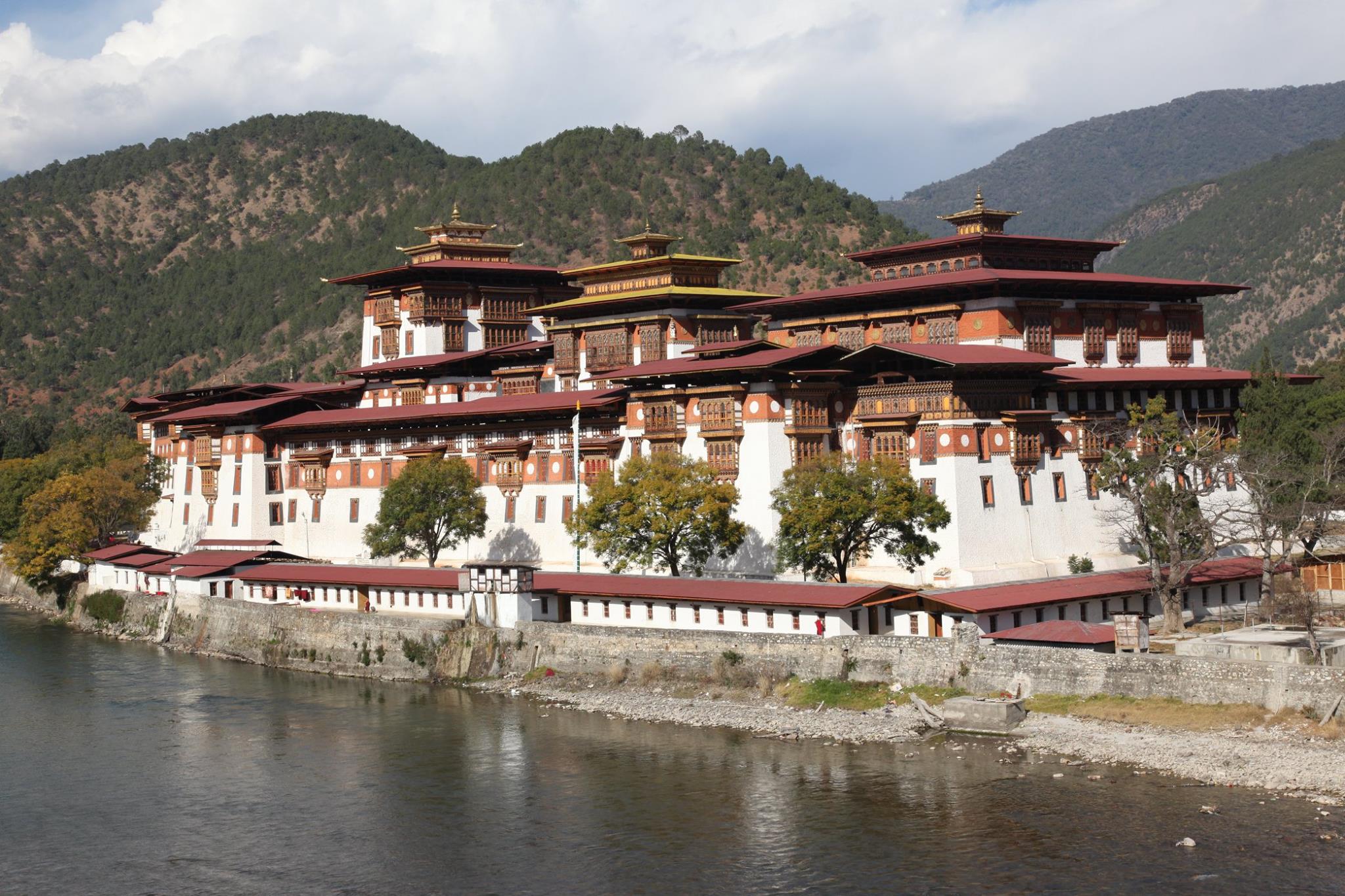
The National Museum is housed in the Ta-Dzong which was built in 1656 and served as the watch tower of Paro Dzong in the past. The museum displays the ancient Bhutanese arts, crafts and weapons.